
Disclaimer: This information is educational and not a substitute for a doctor’s consultation. Always seek personalized advice from a qualified healthcare professional regarding diagnosis and treatment.
Cialis: what it is and what to do
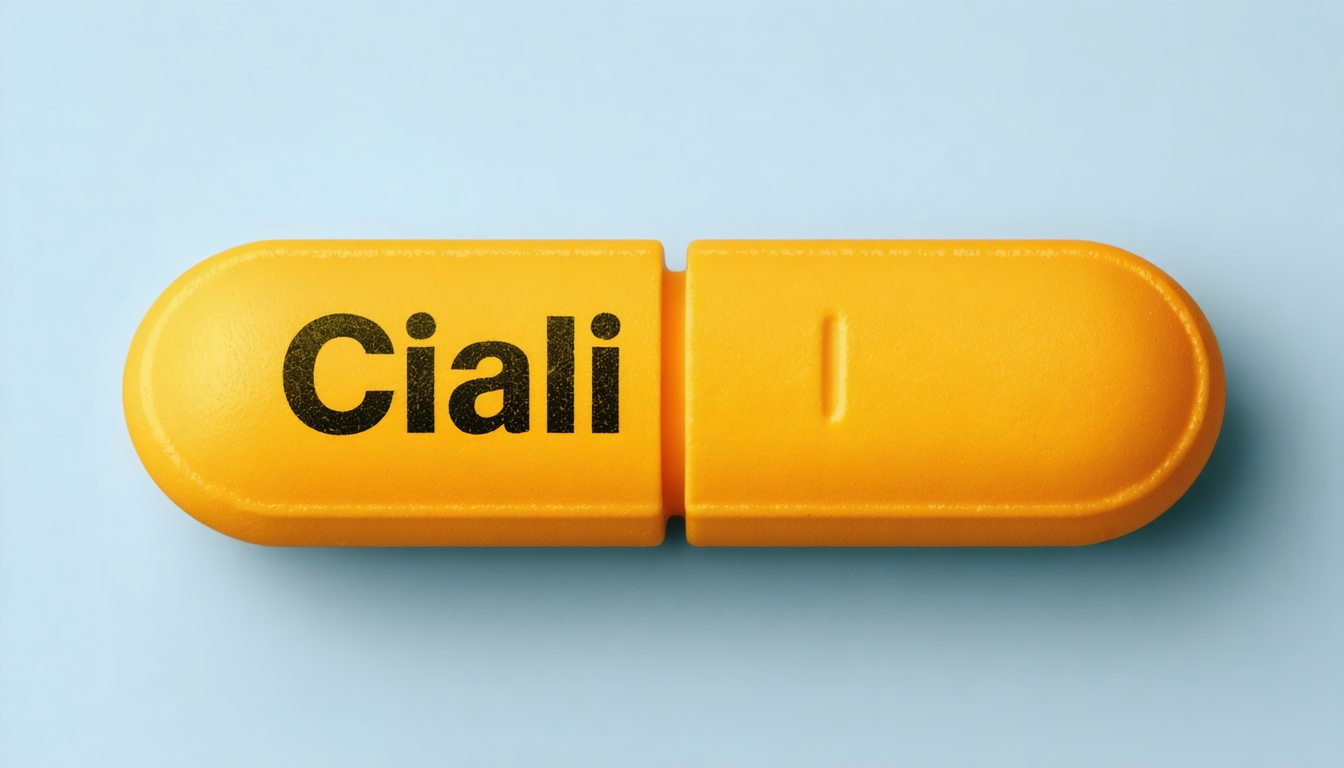
Cialis is a prescription medication commonly used to treat erectile dysfunction (ED) and certain urinary symptoms associated with an enlarged prostate. If you or your partner are dealing with performance concerns, understanding how this medication works — and what steps to take — can help you make informed decisions.
Quick summary in 30 seconds
- Cialis (tadalafil) helps improve blood flow to support erections and may relieve urinary symptoms of benign prostatic hyperplasia (BPH).
- It works only with sexual stimulation — it is not an automatic trigger.
- Diagnosis of ED usually involves medical history, physical exam, and sometimes blood tests.
- Seek urgent care for chest pain, vision loss, or an erection lasting more than 4 hours.
What is “Cialis” (definition in simple terms)
Cialis is the brand name for tadalafil, a medication that belongs to a class of drugs called phosphodiesterase type 5 (PDE5) inhibitors. These medicines are primarily used to treat:
- Erectile dysfunction (difficulty achieving or maintaining an erection)
- Benign prostatic hyperplasia (BPH), or enlarged prostate
- Sometimes a combination of both conditions
In simple terms, Cialis helps relax blood vessels and increase blood flow. For ED, this improved circulation in the penis can support a firm erection during sexual arousal. For BPH, it may relax smooth muscle in the prostate and bladder, easing urinary symptoms.
Unlike some other ED medications, tadalafil is known for its longer duration of action — up to 36 hours in some individuals. However, this does not mean a continuous erection; it simply means the body may respond more easily to stimulation during that time frame.
Causes and risk factors
Cialis itself does not cause erectile dysfunction — it is used to treat it. Understanding why ED happens is key to deciding what to do next.
Common causes of erectile dysfunction
- Cardiovascular disease (narrowed or blocked blood vessels)
- Diabetes
- High blood pressure
- Hormonal imbalances (e.g., low testosterone)
- Depression or anxiety
- Side effects of certain medications
Risk factors
- Smoking
- Obesity and sedentary lifestyle
- Excess alcohol use
- Chronic stress
- Poor sleep habits
Lifestyle elements — including diet and physical activity — play a significant role. You can explore practical nutrition strategies in our heart-healthy dining guide, which may indirectly support vascular health and sexual function.
Symptoms and how to distinguish from similar conditions
The primary symptom addressed by Cialis is erectile dysfunction, which includes:
- Difficulty getting an erection
- Difficulty keeping an erection long enough for sexual activity
- Reduced sexual confidence due to performance issues
For BPH, symptoms may include:
- Frequent urination
- Weak urine stream
- Difficulty starting urination
- Feeling that the bladder is not fully empty
Distinguishing ED from other issues
| Symptom | What it may mean | What to do |
|---|---|---|
| Sudden ED during stress | Psychological cause (anxiety, performance pressure) | Discuss mental health support with a professional |
| Gradual ED with diabetes or heart disease | Vascular or nerve-related cause | Comprehensive medical evaluation |
| Low sexual desire | Possible hormonal imbalance | Hormone testing as advised by a doctor |
| Painful or prolonged erection | Possible complication (priapism) | Seek urgent medical care |
It’s important to note that not all sexual difficulties are due to ED. Relationship concerns, fatigue, or lifestyle factors can also contribute.
Diagnosis (how it is usually confirmed, what tests/examinations are common)
Healthcare providers typically diagnose erectile dysfunction based on:
- Detailed medical and sexual history
- Physical examination
- Blood tests (glucose, cholesterol, testosterone)
- Blood pressure measurement
In some cases, additional tests may be recommended, such as:
- Penile Doppler ultrasound (to assess blood flow)
- Nocturnal erection testing
- Psychological assessment
Because ED can be an early warning sign of cardiovascular disease, doctors often evaluate overall heart health. You may find broader context in our Food for Thought: mind-body health overview section, which explores how mental and physical wellness intersect.
Treatment and approaches (overview of options without prescribing treatment to the reader)
Treatment depends on the underlying cause. Cialis is one option among several.
Medication options
- PDE5 inhibitors (such as tadalafil)
- Other prescription medications depending on diagnosis
Cialis may be prescribed for use as needed or as a once-daily regimen. Specific dosing decisions must be made by a healthcare professional. Always follow the instructions and your doctor.
Non-medication approaches
- Lifestyle modification (exercise, weight loss)
- Smoking cessation
- Stress management techniques
- Psychotherapy or couples counseling
- Medical devices or surgical options in selected cases
Physical activity — even moderate exercise — can improve blood vessel function. If you enjoy structured routines, check out our wellness-inspired gaming activities that gamify movement and motivation.
Possible complications and when to see a doctor urgently (red flags)
While Cialis is generally well tolerated when prescribed appropriately, potential side effects may include:
- Headache
- Flushing
- Indigestion
- Back pain
- Nasal congestion
Seek urgent medical attention if you experience:
- An erection lasting more than 4 hours (priapism)
- Sudden vision or hearing loss
- Chest pain during sexual activity
- Severe allergic reaction (swelling, difficulty breathing)
Cialis should not be used with nitrate medications (commonly prescribed for chest pain) due to the risk of a dangerous drop in blood pressure. Always inform your doctor about all medications and supplements you take.
Prevention and lifestyle
While medication can help manage symptoms, long-term sexual health often depends on overall wellness.
Key prevention strategies
- Maintain a balanced diet rich in fruits, vegetables, and whole grains
- Exercise regularly
- Limit alcohol intake
- Quit smoking
- Manage stress
- Prioritize quality sleep
Stress reduction can involve mindfulness, creative outlets, or even music. Our Music & mood resource hub explores how sound influences emotional well-being — an often overlooked aspect of sexual health.
Healthy lifestyle habits not only support erectile function but also improve cardiovascular and mental health.
FAQ
1. Is Cialis the same as Viagra?
No. Both treat erectile dysfunction, but they contain different active ingredients and differ in duration of action.
2. Does Cialis increase sexual desire?
No. It improves blood flow but does not directly increase libido.
3. How long does Cialis last?
Its effects may last up to 36 hours in some individuals, but response varies.
4. Can younger men use Cialis?
It may be prescribed to adults over 18 when medically appropriate. A doctor must evaluate the cause of symptoms first.
5. Is Cialis safe for people with heart disease?
It depends on the specific condition and medications used. Medical evaluation is essential.
6. Can women take Cialis?
Cialis is not approved for treating sexual dysfunction in women. Research in this area is limited and inconclusive.
7. Is daily use better than occasional use?
The choice depends on individual needs and medical advice. Both approaches exist.
8. Does insurance cover Cialis?
Coverage varies by provider and country. Check with your insurer.
Sources
- U.S. Food and Drug Administration (FDA): https://www.fda.gov/
- National Institutes of Health (NIH): https://www.nih.gov/
- Mayo Clinic – Erectile Dysfunction: https://www.mayoclinic.org/
- American Urological Association (AUA): https://www.auanet.org/
